Understanding and recognizing potential hazards in the oil and gas industry and learning how to assess and mitigate associated risks.
Developing plans and procedures for responding to various emergencies, including fires, spills, and other incidents.
Ensuring adherence to OSHA regulations and other relevant standards applicable to the oil and gas industry.
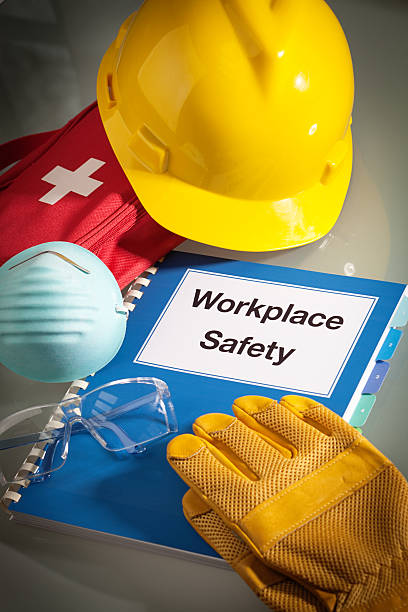
Proper selection, use, and maintenance of PPE for various tasks and hazards.
Implementing and maintaining effective PSM systems to prevent incidents related to hazardous chemicals and processes.
Fostering a strong safety culture and promoting leadership in safety management.
Conducting thorough investigations of incidents to identify root causes and prevent recurrence.
Provide a broad overview of OSHA standards and safety practices relevant to the oil and gas industry.
Offer more in-depth coverage of specific topics, such as hazard identification, risk assessment, and emergency response.
Provide a more comprehensive and intensive training experience, often including advanced topics and practical exercises.
Designed for individuals in leadership and supervisory roles, focusing on safety management, policy development, and program implementation.
OSHA Oil and Gas courses provide comprehensive safety and health training tailored for the oil and gas industry.
These courses cover a range of topics, including hazard identification, risk assessment, emergency response, and regulatory compliance, with a focus on preventing incidents and promoting a safe work environment.
They are designed for various roles, from safety specialists and supervisors to managers and individuals seeking to enter the field.